



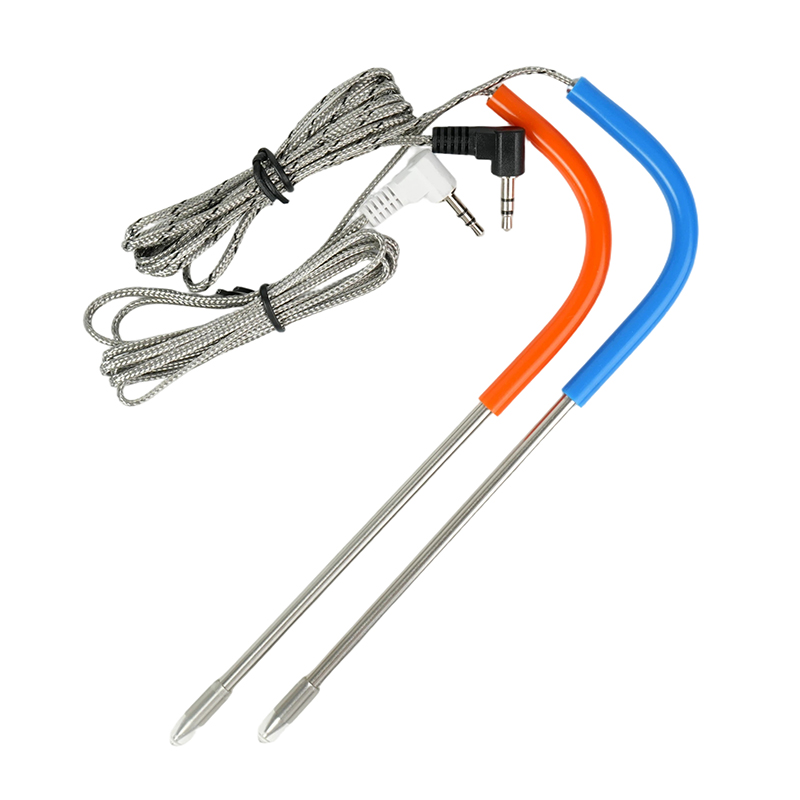
RTD temperature sensors are widely used for monitoring and controlling temperature in industrial equipment, automation systems, HVAC, laboratories, process industries, and many other applications.
-
 05Sep,2026What Are the Applications of RTD Temperature Sensors?
 -
 05Sep,2026How Accurate Is an RTD Temperature Sensor?
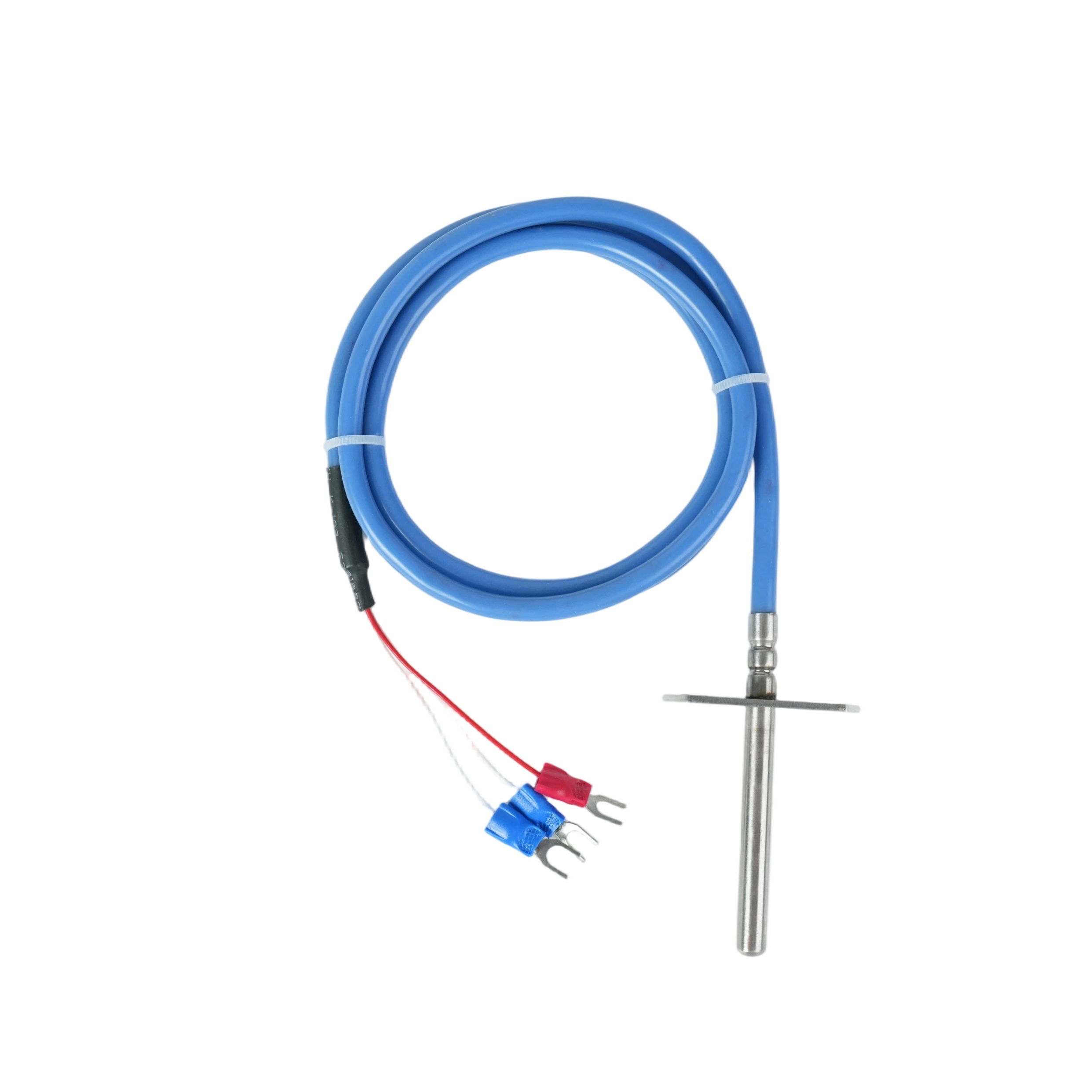
When selecting an RTD sensor, accuracy is often one of the most important factors, especially for industrial processes, laboratory equipment, automation systems, and other applications where temperature changes need to be monitored precisely.
-
 28Aug,2026Where to Stick a Meat Thermometer in a Turkey?
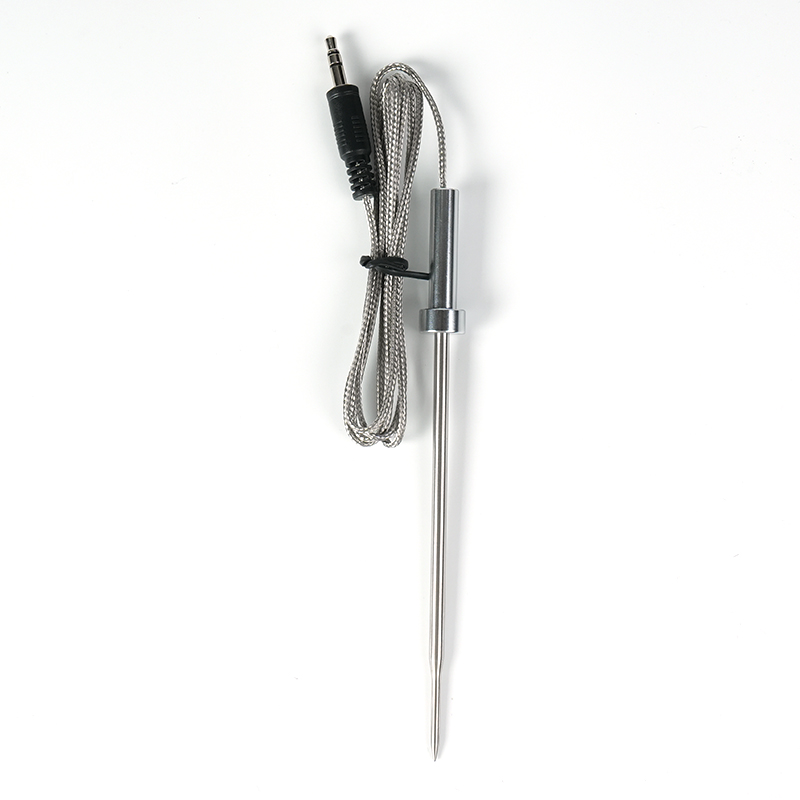
A thermometer can tell you whether the turkey has reached a safe internal temperature, but an incorrect placement may give you a reading that is warmer or cooler than the actual temperature of the meat.
-
 27Aug,2026Does Aluminum Foil Reflect Heat?
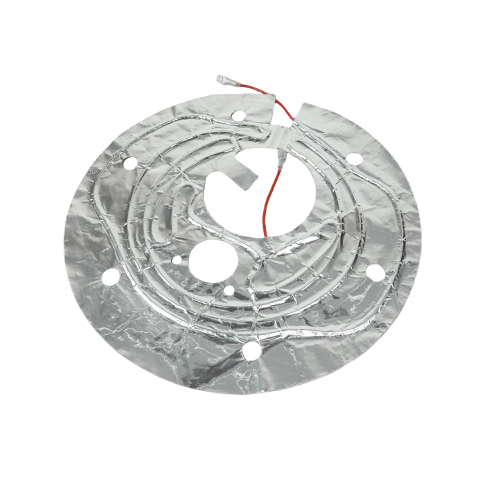
Aluminum foil can reflect radiant heat, particularly infrared radiation. However, it does not work in exactly the same way as traditional insulation materials. Its effectiveness depends on the type of heat involved, the surface condition of the foil, and how the foil is installed.
-
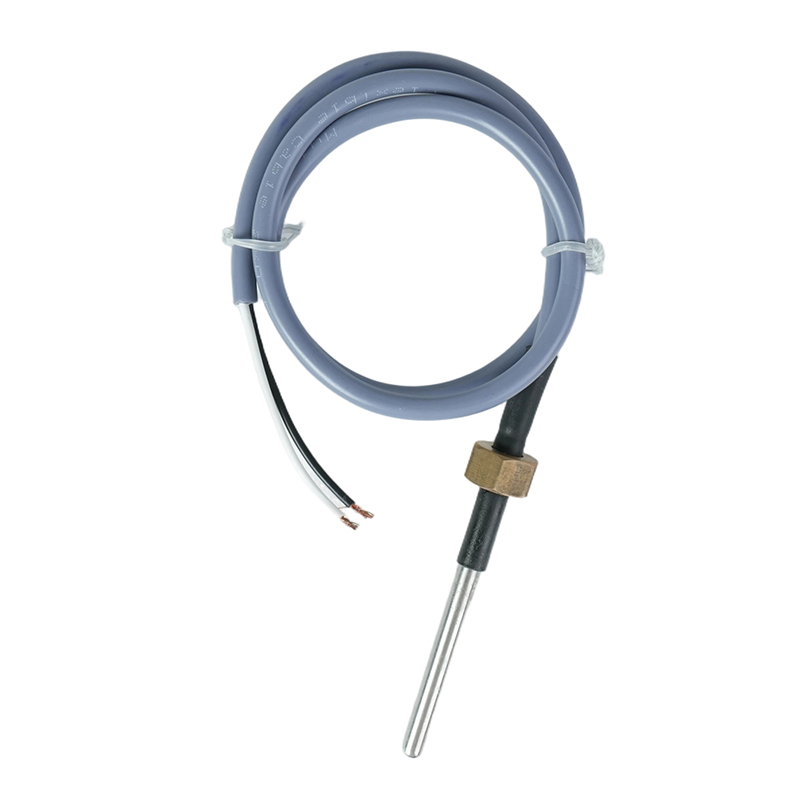 21Aug,2026How Does a PT100 Work?
A PT100 temperature sensor is a type of platinum Resistance Temperature Detector (RTD) widely used for accurate temperature measurement in industrial automation, process control, HVAC systems, laboratory equipment, and other applications.
-
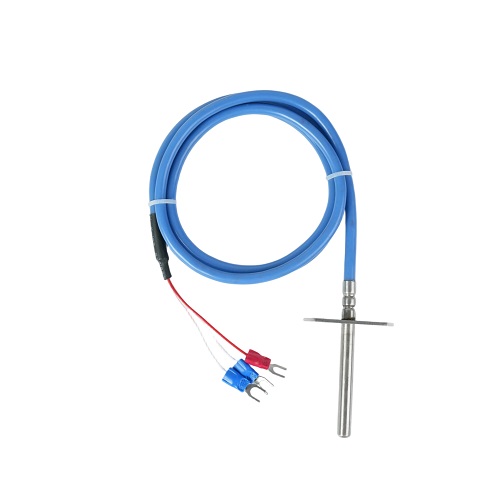 21Aug,2026How to Test a PT100 Temperature Sensor
A PT100 temperature sensor is a resistance temperature detector (RTD) widely used for accurate temperature measurement in industrial equipment, automation systems, process control, HVAC systems, and other applications.
-
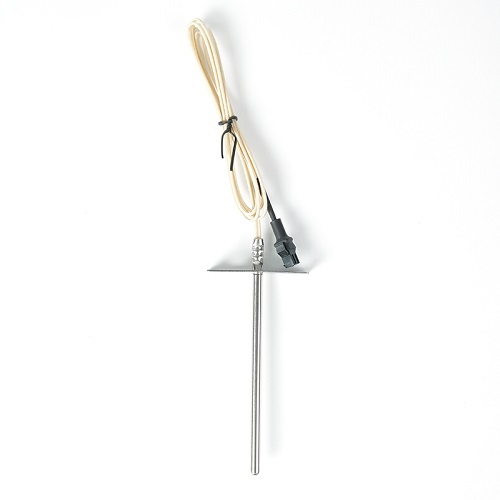 14Aug,2026What Factors Should You Consider When Selecting a High Temperature RTD?
RTD sensors are widely used because of their predictable resistance-temperature relationship, good repeatability, and excellent measurement stability. However, selecting an RTD for high-temperature applications requires more than simply choosing a PT100 or PT1000 element.
-
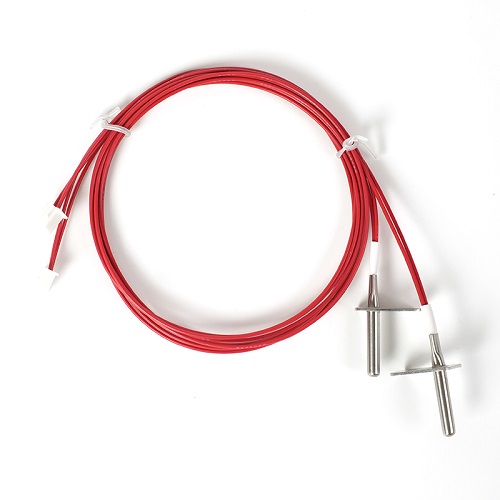 14Aug,2026How to Choose the Right NTC Temp Sensor for Your Application?
NTC temperature sensors are widely used in electronics, HVAC systems, home appliances, automotive equipment, battery management systems, industrial controls, and many other applications because they offer fast response, compact size, good sensitivity, and cost-effective temperature sensing.
-
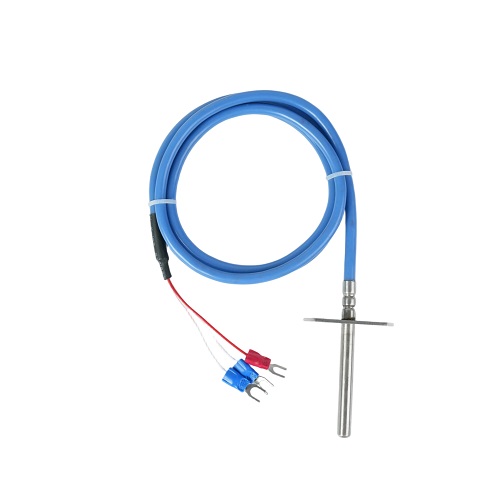 08Aug,2026PT100 vs PT1000 RTD Sensor: Differences, Advantages and Applications
RTD sensors are widely used in industrial temperature measurement because of their excellent accuracy, stability, and long-term reliability. Among different types of Resistance Temperature Detectors (RTDs), PT100 and PT1000 RTD sensors are the two most commonly used platinum temperature sensors.
-
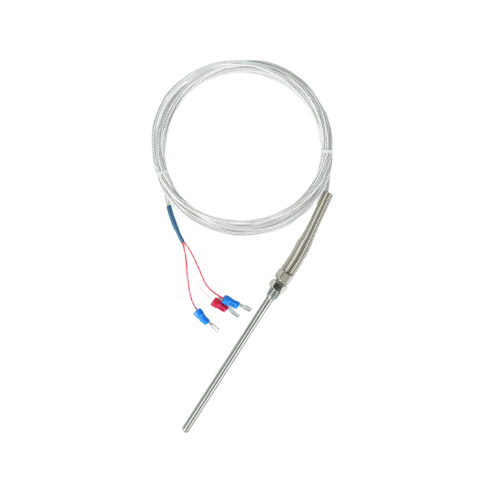 08Aug,2026RTD Probe Wiring Guide: How to Connect 2-Wire, 3-Wire and 4-Wire RTD Sensors
RTD sensors are widely used in industrial temperature measurement systems because of their high accuracy, stability, and long service life. However, correct wiring plays a critical role in ensuring accurate temperature readings.
-
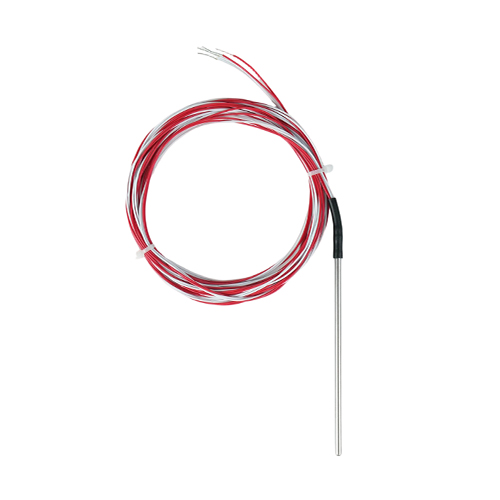 30Jul,2026Calibration of RTD Temperature Sensors: Best Practices for Accurate Measurement
Although RTD temperature sensors are well known for their excellent accuracy and long-term stability, factors such as aging, mechanical stress, environmental conditions, and prolonged use can gradually affect their performance.
-
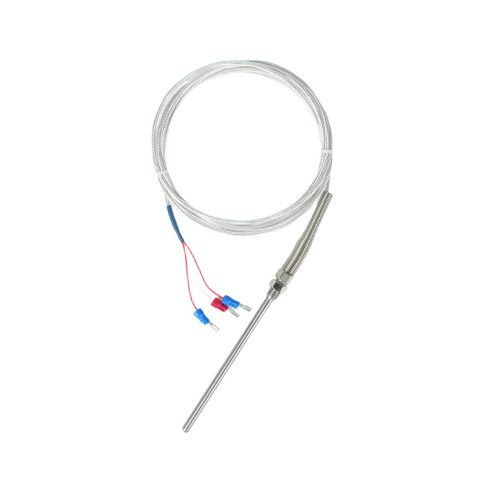 30Jul,2026RTD Temperature Sensor Wiring Configurations: 2-Wire vs 3-Wire vs 4-Wire
In industrial temperature measurement systems, RTD temperature sensors are widely used because of their excellent accuracy, stability, and repeatability. However, selecting the right RTD sensor is not only about choosing the sensing element, temperature range, or probe design.
