rtd sensor failure can result from electrical problems, mechanical damage, excessive temperature, incorrect wiring, environmental exposure, or unsuitable installation. Because an RTD measures temperature through a predictable change in electrical resistance, damage to the sensing element, wiring, or connection can directly affect the temperature reading.
Understanding the common causes of RTD failure can help engineers identify abnormal readings, reduce unnecessary sensor replacement, and improve temperature measurement reliability.
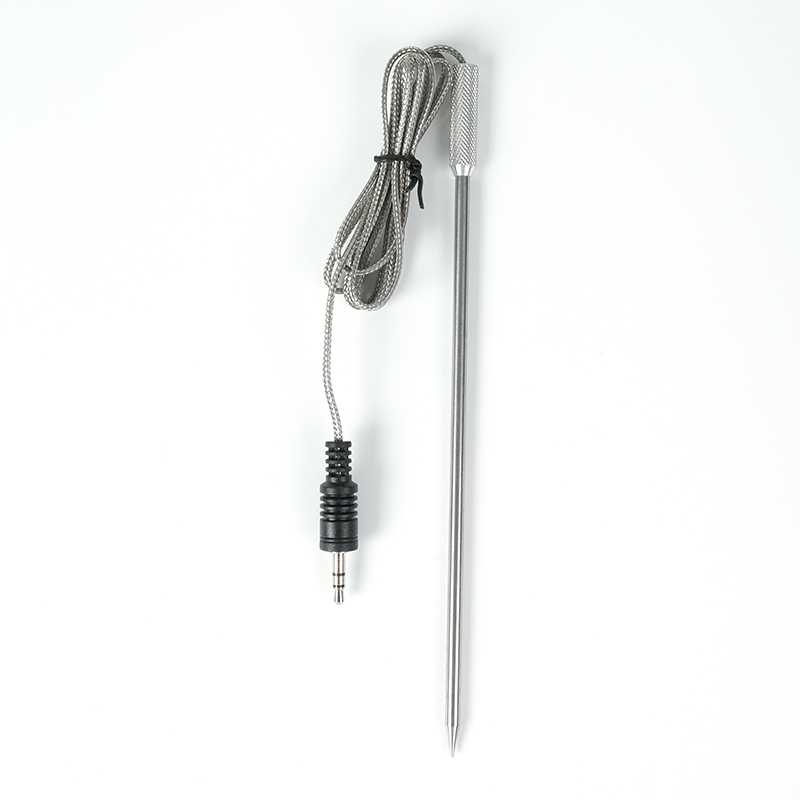
1. Broken or Open RTD Wires
One of the most common RTD problems is an open circuit caused by a broken sensing element, lead wire, or connection.
An open RTD circuit prevents the measurement system from obtaining the expected resistance value. Depending on the instrument and configuration, an open connection may result in an extremely high temperature reading, an error message, or a sensor failure indication.
Fine RTD wires can be vulnerable to mechanical stress, repeated bending, vibration, or improper installation. Protective sheaths and suitable cable routing can help reduce the risk of physical damage.
2. Incorrect Wiring
Incorrect wiring can cause inaccurate temperature measurements or make the RTD appear to have failed.
RTDs are commonly available in 2-wire, 3-wire, and 4-wire configurations. Three-wire RTDs are widely used in industrial applications because the measurement system can compensate for lead-wire resistance. Using the wrong wiring method or connecting the wires incorrectly can introduce significant measurement errors.
Before replacing an RTD, check the wiring configuration, terminal connections, and compatibility between the sensor and temperature measurement device.
3. Lead Wire Resistance
RTDs measure temperature by measuring resistance. Therefore, additional resistance from the connecting wires can affect the measured value.
This issue is especially important with 2-wire RTDs because the resistance of the lead wires is included in the measurement. Three-wire and four-wire configurations can reduce or compensate for this effect.
For long cable runs or applications requiring higher accuracy, the appropriate RTD wiring configuration should be selected during system design.
4. Excessive Temperature Exposure
Long-term exposure to temperatures beyond the recommended operating range can cause changes in the sensing element or its supporting materials.
Even when an RTD continues to produce an output, prolonged exposure to high temperatures can affect its stability and calibration. The sensor should therefore be selected with an appropriate operating temperature range and suitable construction for the application.
5. Self-Heating
RTDs require an excitation current to measure resistance. However, current flowing through the sensing element generates a small amount of heat.
If the excitation current is too high or the RTD has poor thermal contact with the measured medium, self-heating can cause the sensor to indicate a temperature slightly different from the actual temperature.
Using an appropriate excitation current and suitable sensor construction can help reduce self-heating errors.
6. Mechanical Vibration and Shock
Continuous vibration can damage sensitive RTD elements, particularly in applications involving motors, pumps, compressors, rotating machinery, and other industrial equipment.
Repeated mechanical stress can damage the sensing element or connecting wires and may lead to intermittent signals, unstable readings, or an open circuit.
For vibration-heavy environments, the sensor should have suitable mechanical protection, mounting, and cable support.
7. Moisture and Chemical Exposure
Moisture, corrosive chemicals, and unsuitable environmental conditions can damage sensor connections, insulation, lead wires, or protective materials.
When an RTD is used in a liquid, chemical process, outdoor environment, or humid production area, the probe construction and sheath material should be selected according to the surrounding conditions.
Proper sealing and suitable protective materials can help extend sensor service life.
8. Poor Installation or Thermal Contact
An RTD can produce inaccurate measurements even when the sensing element itself is working correctly.
If the sensor is installed incorrectly or does not have sufficient thermal contact with the measured surface or medium, the measured temperature may not accurately represent the actual process temperature.
Installation depth, mounting method, insertion position, and thermal contact should therefore be considered when installing an RTD sensor.
9. Electrical Noise and Grounding Problems
RTD measurement signals can be relatively low-level, which means wiring, grounding, shielding, and nearby electrical equipment can affect measurement quality.
Motors, power cables, variable-frequency drives, and other electrical equipment can introduce unwanted electrical interference into temperature measurement systems. Appropriate cable routing, shielding, grounding, and signal conditioning can help improve measurement stability.
10. Sensor Calibration Drift
Long-term operation, repeated thermal cycling, mechanical stress, and prolonged exposure to extreme temperatures can contribute to changes in sensor characteristics.
When an RTD gradually produces readings that differ from a known reference temperature, calibration drift should be considered as one possible cause.
For applications where temperature accuracy is critical, periodic calibration or verification can help identify changes before they affect the overall process.
How to Troubleshoot an RTD Sensor
When an RTD produces an abnormal reading, replacing the sensor immediately is not always necessary. A systematic inspection can help identify whether the problem comes from the sensor, wiring, measurement device, or installation.
Check the RTD wiring configuration.
Inspect terminals and connectors for loose connections.
Measure the resistance of the RTD.
Check for an open or short circuit.
Inspect the cable and protective sheath for mechanical damage.
Check whether the operating temperature exceeds the sensor rating.
Inspect the installation and thermal contact.
Check for moisture, corrosion, vibration, or chemical exposure.
Compare the measurement with a known temperature reference.
Check the compatibility between the RTD and the temperature measurement system.
How to Reduce RTD Sensor Failure?
Choosing the correct RTD for the application is one of the most effective ways to improve sensor reliability.
Select an appropriate RTD type and resistance value.
Choose the correct 2-wire, 3-wire, or 4-wire configuration.
Use suitable sheath and insulation materials.
Match the sensor to the required temperature range.
Use appropriate cable and connector materials.
Minimize excessive vibration and mechanical stress.
Use proper installation and thermal contact.
Control excitation current to reduce self-heating.
Use appropriate shielding and grounding where necessary.
Perform periodic inspection and calibration for critical applications.
Conclusion
RTD sensor failure can be caused by many factors, including broken wires, incorrect wiring, lead resistance, excessive temperature, self-heating, vibration, moisture, chemical exposure, poor installation, electrical interference, and calibration drift.
For industrial temperature measurement, selecting the correct RTD construction and wiring configuration is just as important as choosing the sensing element itself. A properly matched RTD can provide stable and accurate temperature measurement across a wide range of industrial applications.