Choosing the right aluminum foil for an industrial application requires more than selecting a suitable thickness. Aluminum grade, temper, width, surface finish, operating temperature, electrical requirements, forming method, and installation conditions can all affect the final performance.
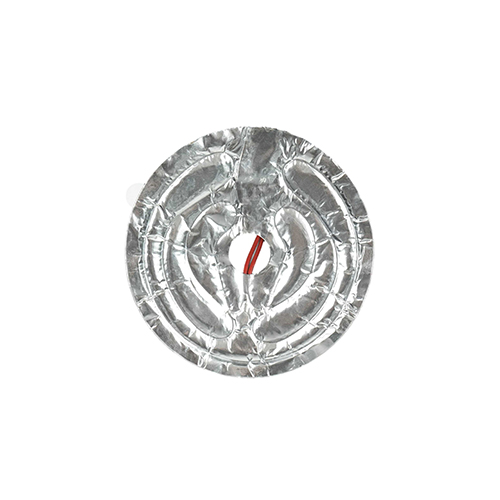
Key Specifications to Consider When Choosing Aluminum Foil
1. Aluminum Foil Thickness
Thickness is one of the first specifications to determine. Thinner aluminum foil generally offers greater flexibility and easier forming, while thicker foil can provide increased mechanical strength and durability.
The required thickness depends on the application's mechanical, thermal, electrical, and processing requirements. For custom industrial projects, it is important to select thickness based on actual working conditions rather than choosing a specification simply because it is commonly used.
2. Aluminum Alloy
Different aluminum alloys provide different combinations of strength, formability, corrosion resistance, and conductivity. The appropriate alloy depends on the intended application and manufacturing process.
For example, an application requiring extensive forming may prioritize material formability, while an electrical application may place greater importance on conductivity.
3. Temper and Flexibility
Temper affects the hardness and mechanical behavior of aluminum foil. Softer foil is generally easier to bend and form, while harder conditions may provide greater resistance to deformation.
When aluminum foil needs to be folded, stamped, laminated, or formed into a specific structure, temper should be considered together with thickness and alloy.
4. Operating Temperature
If aluminum foil will be exposed to elevated temperatures, the working temperature and exposure duration should be clearly defined. Thermal expansion, insulation materials, adhesives, coatings, and surrounding components can all affect the actual operating performance.
For heating and thermal management applications, it is particularly important to evaluate the complete assembly rather than the foil alone.
5. Electrical Requirements
For electrical applications, conductivity and connection requirements should be considered during material selection. The foil may need to work with terminals, conductive layers, Heating Elements, or other electrical components.
Applications such as Aluminum Foil Heaters and certain electronic components may require specific dimensions and processing methods to ensure reliable electrical performance.
6. Width and Length
The required foil dimensions should match the production process and final component design. Standard rolls may be suitable for some applications, while custom slit widths or cut-to-length aluminum foil may be more practical for automated manufacturing.
7. Surface Finish
Surface condition can affect appearance, bonding, conductivity, reflectivity, and processing performance. If the foil will be laminated, coated, bonded, or used as part of a multilayer structure, surface requirements should be confirmed before production.
How to Match Aluminum Foil to Different Applications?
| Application | Key Selection Factors |
|---|---|
| Thermal Insulation | Reflectivity, thickness, flexibility, surface condition |
| aluminum foil heater | Thickness, temperature, forming, insulation, electrical design |
| Electrical Applications | Conductivity, thickness, surface condition, connection method |
| Battery Applications | Electrical conductivity, thickness, surface quality, compatibility |
| Cable Shielding | Thickness, flexibility, shielding structure, lamination |
| Heat Transfer | Thermal conductivity, thickness, forming, corrosion resistance |
Should You Choose Standard or Custom Aluminum Foil?
Standard aluminum foil can be a practical choice when its dimensions and material properties already meet the application requirements. However, custom aluminum foil can reduce additional processing when a project requires specific thicknesses, widths, lengths, surface conditions, or other processing.
For OEM projects, custom specifications can also help the foil fit directly into an existing component or production line.
What Information Should You Provide to an Aluminum Foil Manufacturer?
Providing detailed application information allows the manufacturer to evaluate the material requirements more accurately. The following information is useful when requesting a quotation or technical recommendation:
Application and end-use
Required aluminum foil thickness
Required width and length
Preferred aluminum alloy and temper, if known
Operating temperature range
Electrical requirements, if applicable
Surface finish requirements
Cutting, slitting, laminating, or other processing requirements
Estimated order quantity
Common Mistakes When Selecting Aluminum Foil
Choosing Thickness Without Considering the Application
Thickness should be selected according to the required flexibility, strength, thermal performance, and processing method. A thicker foil is not automatically better for every application.
Ignoring the Operating Environment
Temperature, humidity, chemicals, mechanical stress, and exposure conditions may all influence material selection. These factors should be considered before finalizing the specification.
Focusing Only on Material Price
For industrial applications, the total cost can also include cutting, forming, lamination, installation, material waste, and production efficiency. A suitable customized specification may provide better overall value than simply selecting the lowest-cost material.
A Simple Aluminum Foil Selection Process
Define the application: Determine what the aluminum foil needs to accomplish.
Identify working conditions: Check temperature, electrical load, mechanical stress, and environmental exposure.
Select thickness: Match thickness with flexibility, strength, and performance requirements.
Select alloy and temper: Consider conductivity, formability, and mechanical properties.
Confirm dimensions: Specify width, length, tolerances, and roll or sheet format.
Determine additional processing: Confirm whether slitting, cutting, laminating, coating, or other processing is required.
Verify samples: For customized industrial projects, testing samples under actual working conditions can help confirm suitability.
Conclusion
The right aluminum foil depends on the complete application rather than thickness alone. By evaluating alloy, temper, thickness, dimensions, surface condition, operating temperature, electrical requirements, and processing needs, manufacturers and industrial buyers can select a more suitable material for their specific project.
FAQ
How do I choose the thickness of aluminum foil?
Consider the required flexibility, mechanical strength, thermal conditions, electrical requirements, and processing method. The ideal thickness depends on the specific application.
Which aluminum alloy is suitable for industrial foil?
The suitable alloy depends on the application. Factors such as conductivity, formability, strength, corrosion resistance, and working conditions should be evaluated before selection.
Can aluminum foil be customized in width and length?
Yes. Industrial aluminum foil can often be slit, cut, or supplied in customized dimensions according to production and application requirements.
Can aluminum foil be used in heating applications?
Yes. Aluminum foil can be incorporated into customized heating solutions, including aluminum foil heaters, when the material and complete heating structure are properly designed for the operating conditions.
Need customized aluminum foil for your application? Provide the required thickness, dimensions, alloy, operating conditions, and application details to discuss the appropriate material and processing solution.