



An RTD Temperature Sensor is a highly accurate temperature measurement device widely used in industrial automation, laboratory equipment, medical systems, HVAC applications, and manufacturing processes. RTD stands for resistance temperature detector, which measures temperature by monitoring changes in electrical resistance. The performance, durability, and accuracy of an RTD sensor largely depend on the materials used in its construction. High-quality materials help ensure stable operation, precise readings, and long service life in demanding environments.
The most important material inside an RTD sensor is the sensing element itself. Platinum is the most commonly used metal because of its excellent temperature stability, corrosion resistance, and predictable resistance characteristics. A platinum RTD sensor provides highly accurate and repeatable measurements across a wide temperature range, making it the preferred choice for industrial and scientific applications.
One of the most popular platinum RTD configurations is the PT100 sensor. The “100” refers to the sensor having 100 ohms of resistance at 0°C. Platinum materials are ideal for a resistance temperature detector because their resistance changes very consistently with temperature variations. This allows RTD sensors to deliver precise and stable temperature readings even in critical industrial processes.
Besides platinum, some RTD sensors may also use nickel or copper sensing elements. Nickel sensors offer good sensitivity and lower cost, while copper sensors provide excellent conductivity. However, platinum remains the industry standard because it offers better accuracy, wider operating range, and superior long-term stability compared to other metals.
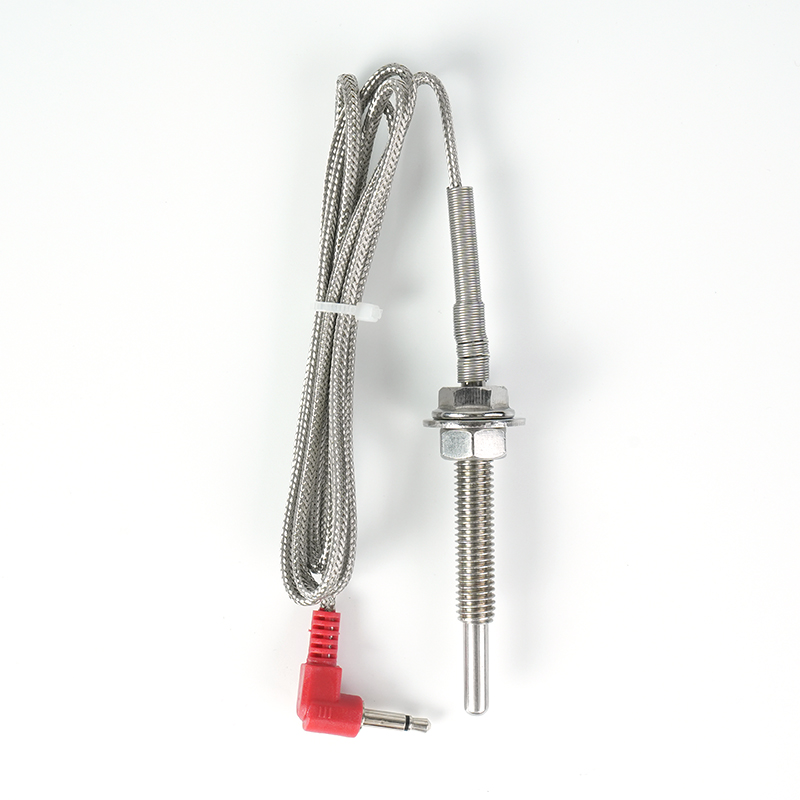
The protective housing of an RTD temperature probe is commonly made from stainless steel. Stainless steel provides excellent corrosion resistance, mechanical strength, and heat resistance, making it suitable for harsh industrial environments. Stainless steel probes are widely used in chemical processing, food production, pharmaceutical manufacturing, and oil and gas industries where durability and hygiene are important.
Internal insulation materials also play a critical role in RTD sensor performance. Ceramic materials are often used to support and electrically isolate the sensing element because they provide excellent thermal stability and insulation properties. In high-temperature applications, mineral insulation materials such as magnesium oxide are commonly used to improve heat resistance and mechanical durability.
Lead wires and electrical connections inside the RTD sensor are usually made from copper or nickel-plated copper to ensure stable signal transmission. High-quality insulation materials surrounding the wires help protect the sensor from moisture, vibration, and electrical interference during operation.
For waterproof or high-pressure environments, manufacturers may add specialized sealing materials such as epoxy resin, silicone, or welded metal seals. These protective materials help prevent contamination and extend the lifespan of the rtd temperature sensor in demanding industrial conditions.
Modern RTD sensor technology combines advanced platinum sensing elements, durable stainless steel structures, and precision insulation materials to achieve highly accurate temperature monitoring. Whether used in industrial automation, laboratory testing, medical equipment, or energy systems, a well-designed resistance temperature detector provides reliable and stable performance for precise thermal measurement applications.
